🌍 Socotra Island: Nature’s Hidden Masterpiece
Hidden in the heart of the Arabian Sea, Socotra is one of the most remote and otherworldly places on Earth — a true natural wonder. Recognized as a UNESCO World Heritage Site since 2008, the island is world-famous for its bizarre dragon blood trees, powdery white sand beaches, crystal-clear blue waters, and mystical sand dunes that stretch as far as the eye can see.
Often called the "Galápagos of the Indian Ocean", Socotra is a sanctuary of biodiversity, home to nearly 700 endemic species that can’t be found anywhere else on the planet. Located about 380 km south of the Arabian Peninsula, the island stretches approximately 125 km in length and 45 km across, offering an untouched paradise for nature lovers, explorers, and anyone seeking a truly unique experience.
🏺 The History of Socotra
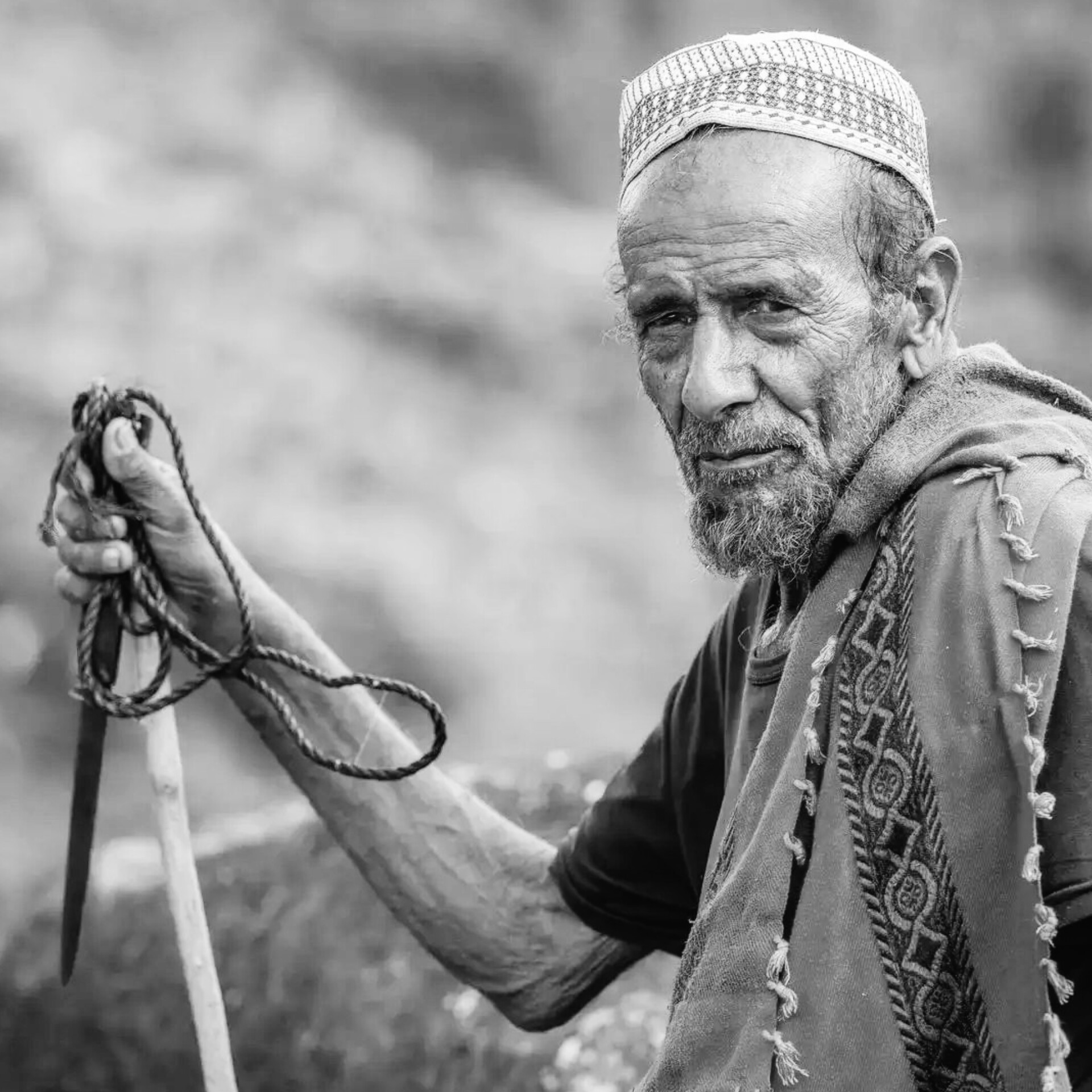
Socotra’s name is believed to derive from the Sanskrit “Dvipa Sukhadhara,” meaning “Island of Bliss.” Historically referenced by the Greeks, Romans, and Arabs, the island was a critical stopover in ancient trade routes for frankincense, myrrh, and other spices. Christianity reached the island early, and ancient inscriptions in caves bear witness to diverse civilizations that passed through. Socotra remained relatively isolated, preserving its language and customs for centuries.
🧕 Socotri Culture
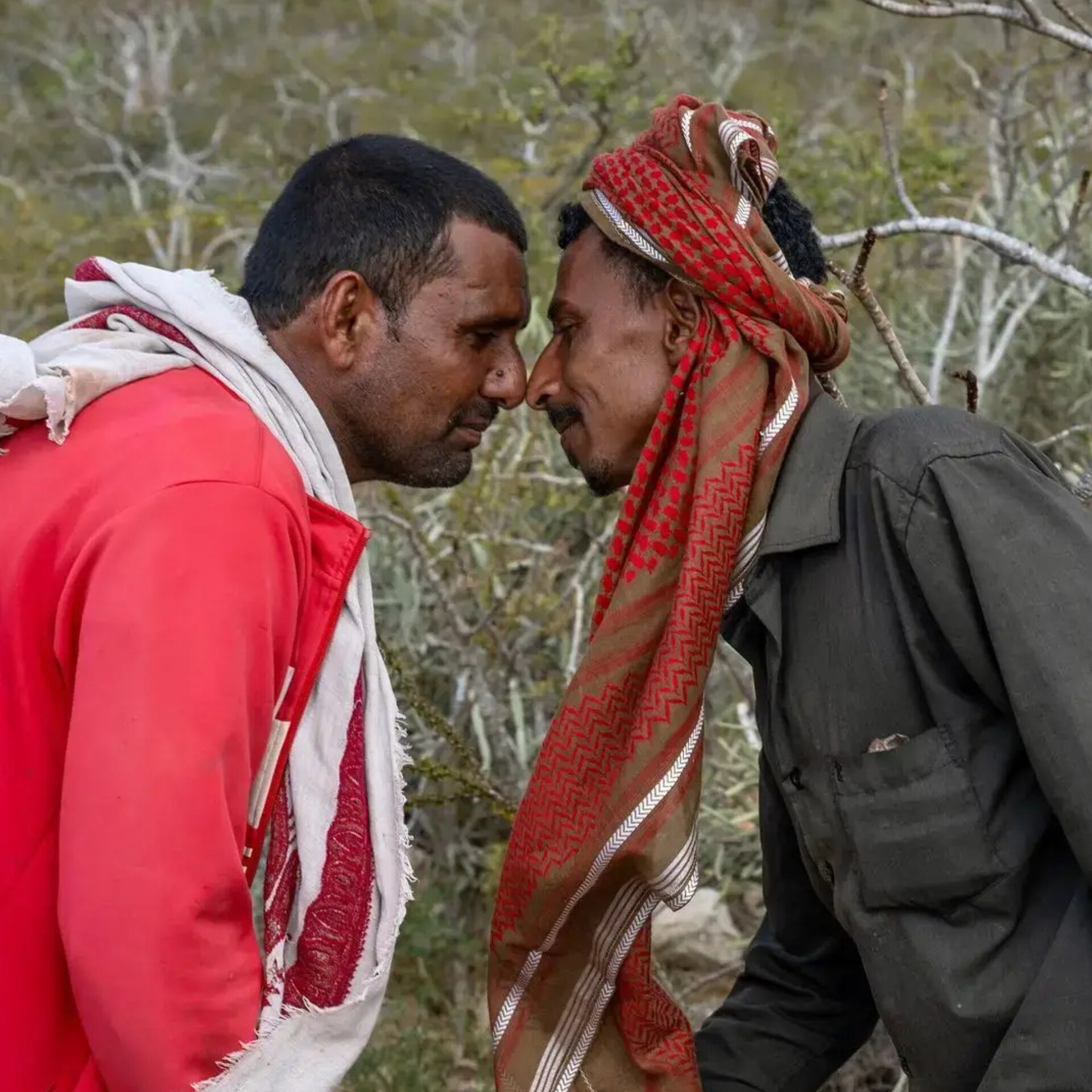
The people of Socotra speak the unique Soqotri language, a member of the ancient South Arabian language family. Life on the island is simple and deeply rooted in tradition. Music, poetry, and storytelling remain central, especially during community gatherings and weddings. Fishing and herding goats are primary livelihoods, and traditional dwellings built from natural stone still stand across the villages.
[Flora and Fauna]
Socotra is renewed for its unique and diverse flora, with a high proportion of endemic species found nowhere else on earth. The island is home to the iconic Dragon blood tree, known for its distinctive umbrella-shaped canopy and red sap. Other notable plant species include the Desert Rose and Frankincense tree.
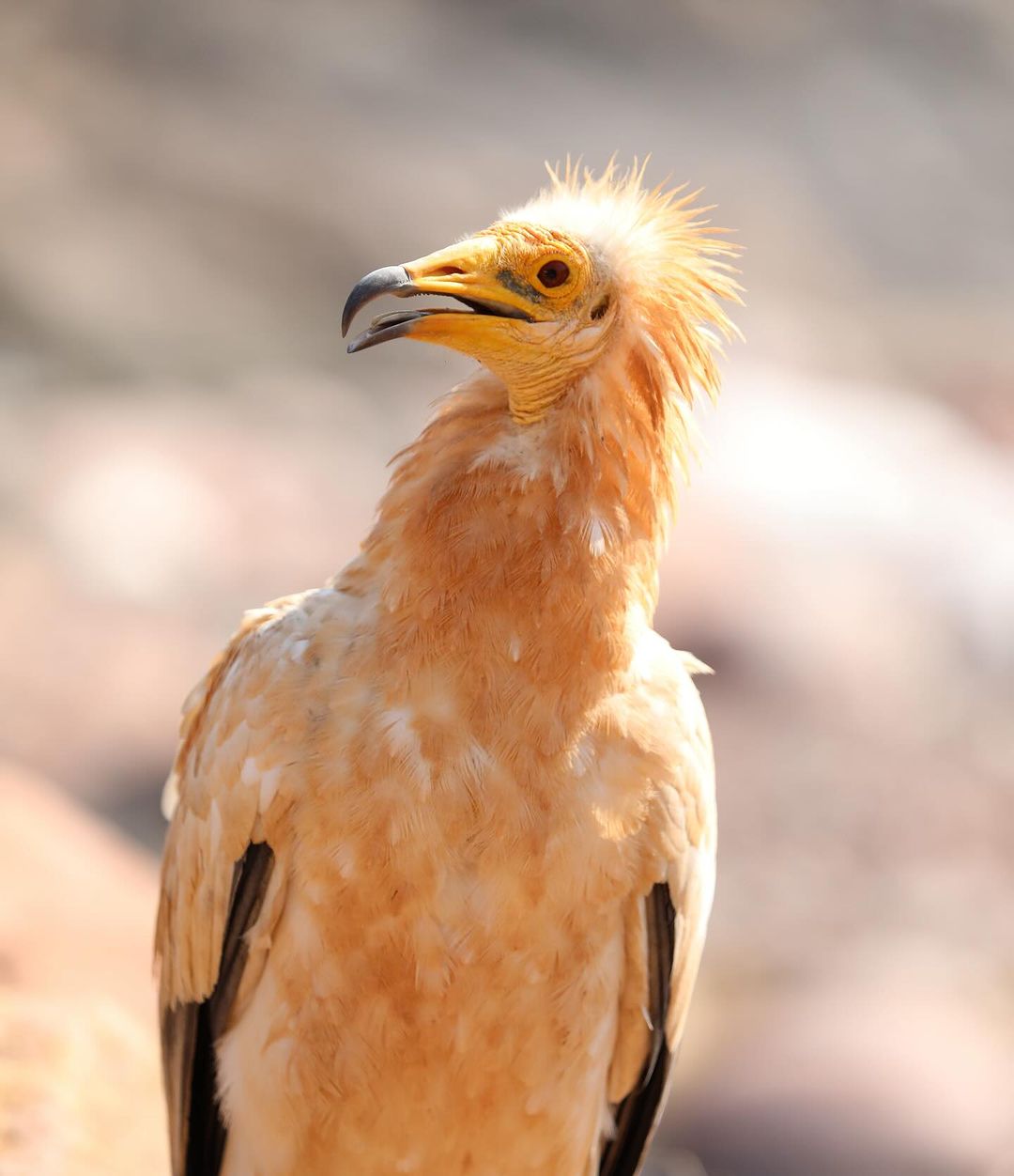
In addition to its fascinating plant life, Socotra boasts a rich diversity of wildlife, including several endemic bird species such as the Socotra Starling and Socotra Sparrow. The island marine environment is equally captivating with a variety of colorful marine coral reefs and marine life.
🗺️ Must-See Landmarks
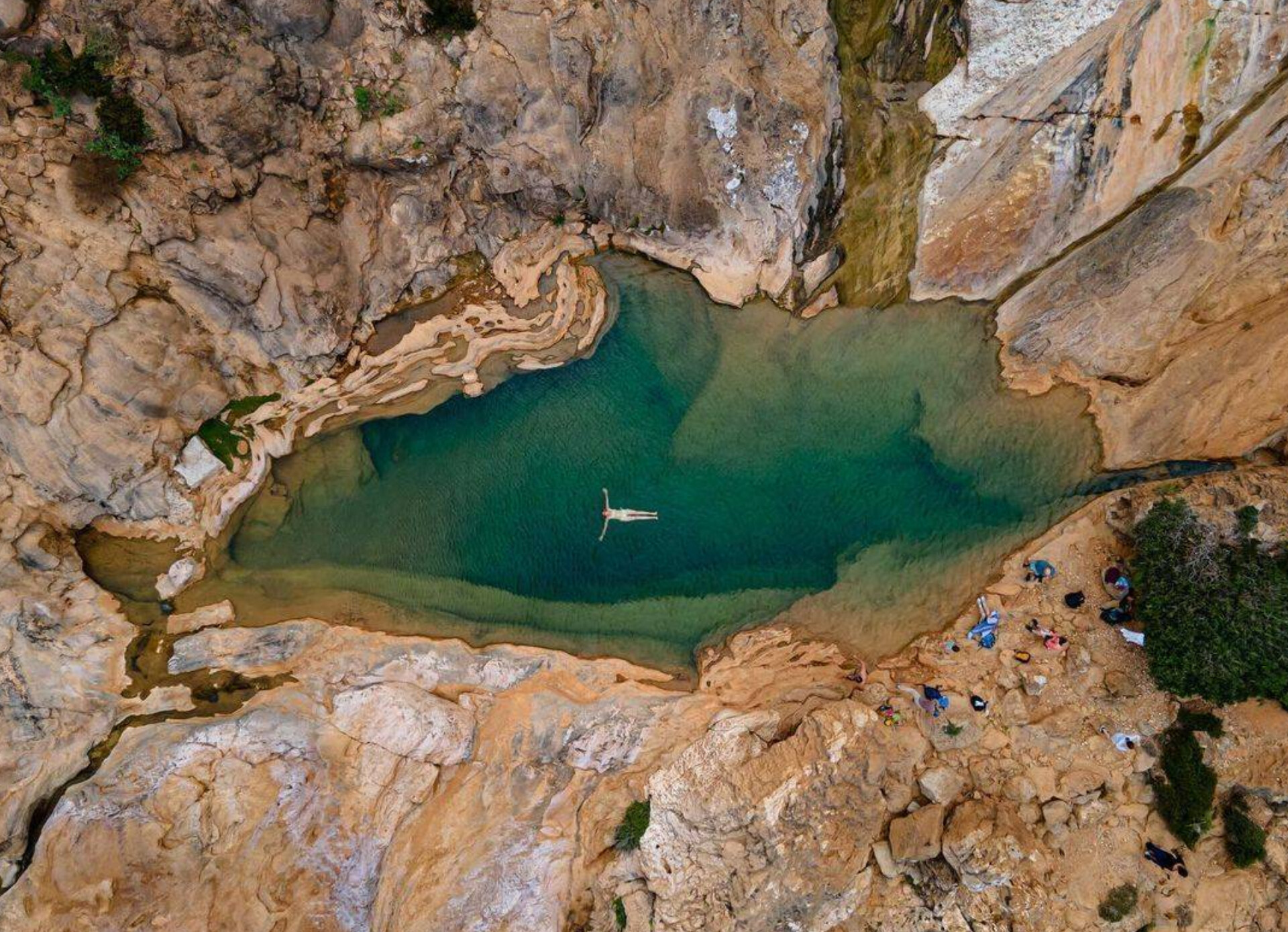
Visitors to Socotra can explore breathtaking sites such as Homhil Plateau with its natural infinity pools, the towering sand dunes of Arher, the unique caves of Hoq, and the turquoise shores of Detwah Lagoon. Dragon Blood Tree forests in Dixam Plateau are the crown jewel of Socotra’s landscape — surreal and majestic. Each corner of the island offers a new world to discover.